
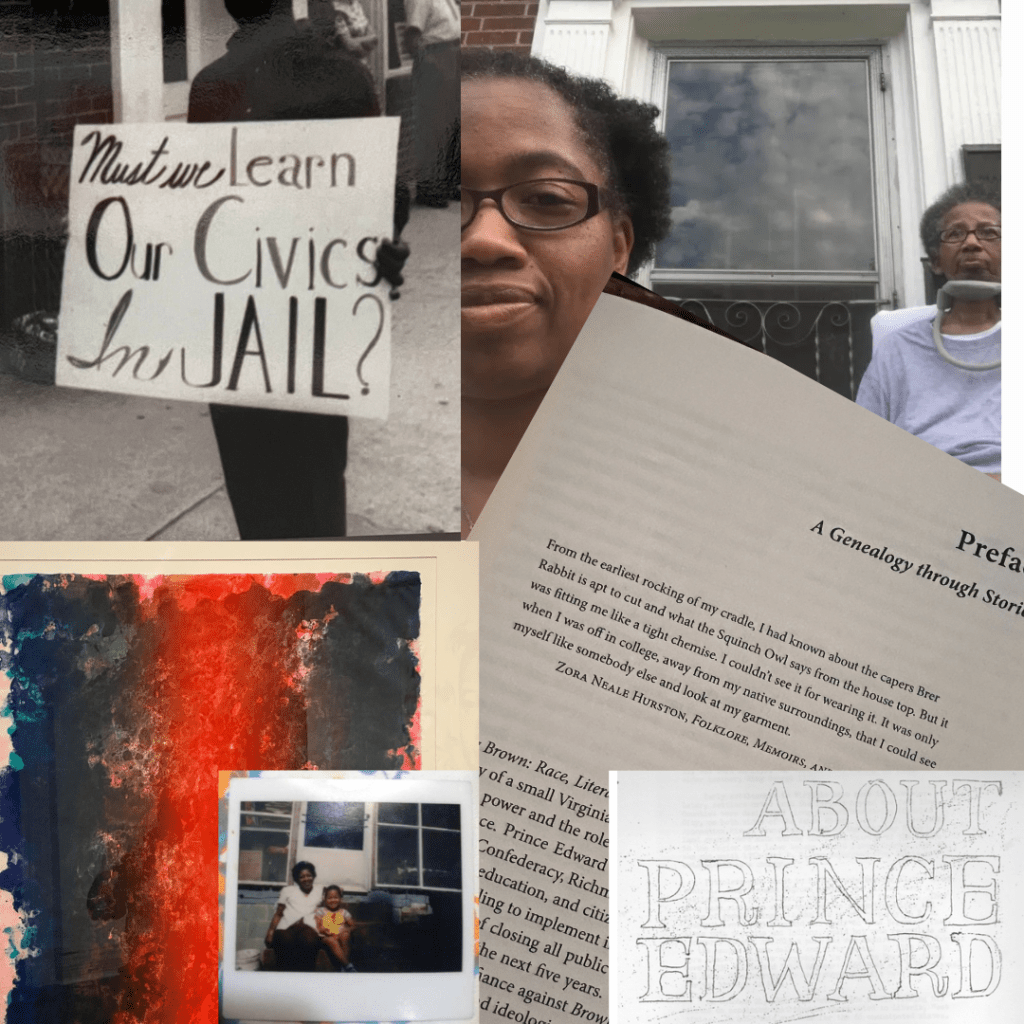
I was very fortunate to grow up attending a school from grades 4 through 8, where Black History Month was fully celebrated. The hallways were lined with posters filled with Black history facts. At our Catholic school, gospel songs were woven into Mass. We attended special assemblies, learned Black history across subjects, and sang the Black History Month anthem each week.
It was celebrated in a way that taught me early on that Black people have shaped every space—art, music, architecture, law, education. I learned that our stories mattered. I look back on those assemblies with deep gratitude.
This year, I wanted to celebrate Black History Month intentionally. I wanted to reflect on the mentors, artists, teachers, and family members who have shaped how I write, teach, work with writers, and try to be present in this world.
Throughout the month, I shared weekly reflections on Instagram and LinkedIn. I could write essays, books, even, about each of these people. For now, I’m gathering them here.
My Grandmother: Literacy as Love
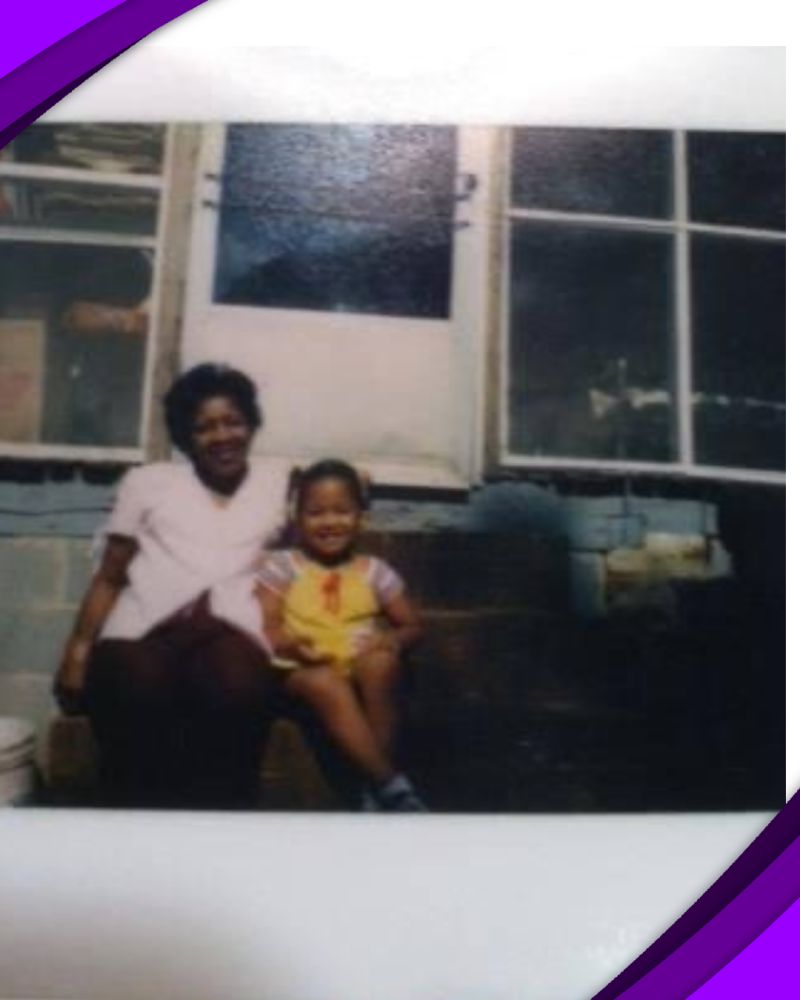
I begin with my grandmother, Kathryn Anderson.
She taught me to read and write long before I entered a classroom. She would gently cover my hand with hers, guiding my finger across each word. We played school almost every day. We read books. She told me stories about her childhood.
From her, I learned that literacy is more than decoding words on a page. It is memory, voice, and connection.
One of the greatest gifts she gave me was the practice of listening. Listening with care, curiosity, and deep respect. I carry her lessons with me every time I write, coach, or hold space for someone else’s story.
My Mother: Writing as Care
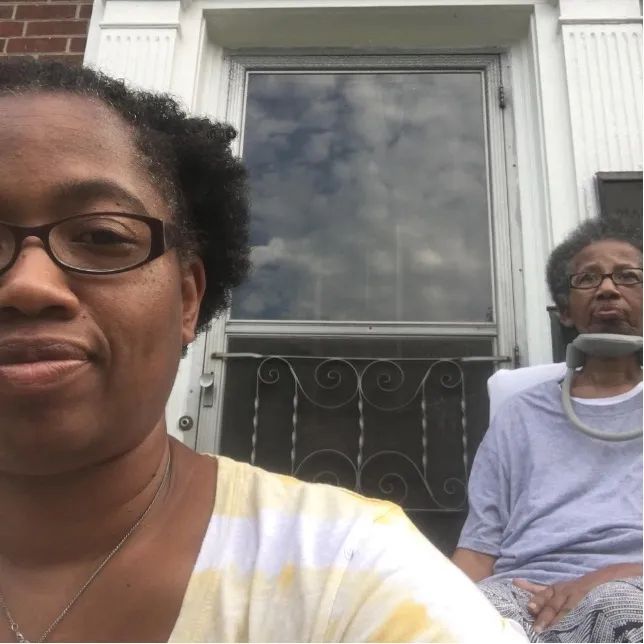
My mother was a writer too.
As a social worker in rehabilitation units and hospitals, her days were filled with writing: patient notes, care plans, family documentation, and insurance appeals written during moments of crisis. I remember visiting her before computers sat on every desk, seeing her surrounded by charts and papers, always writing.
After she passed, I spent months going through her papers. I spend every day with her memory. I found stacks of thank-you notes, cards, and awards, each one naming her kindness, patience, and ability to make things clear during challenging times.
She taught me that listening with care is an action. It requires humility and reflection. It calls us to be aware of our responsibility to others.
When writers come to me anxious or stuck, I think of her. I try to bring that same steadiness into the room.
The Prince Edward County Free School: Education as Resistance
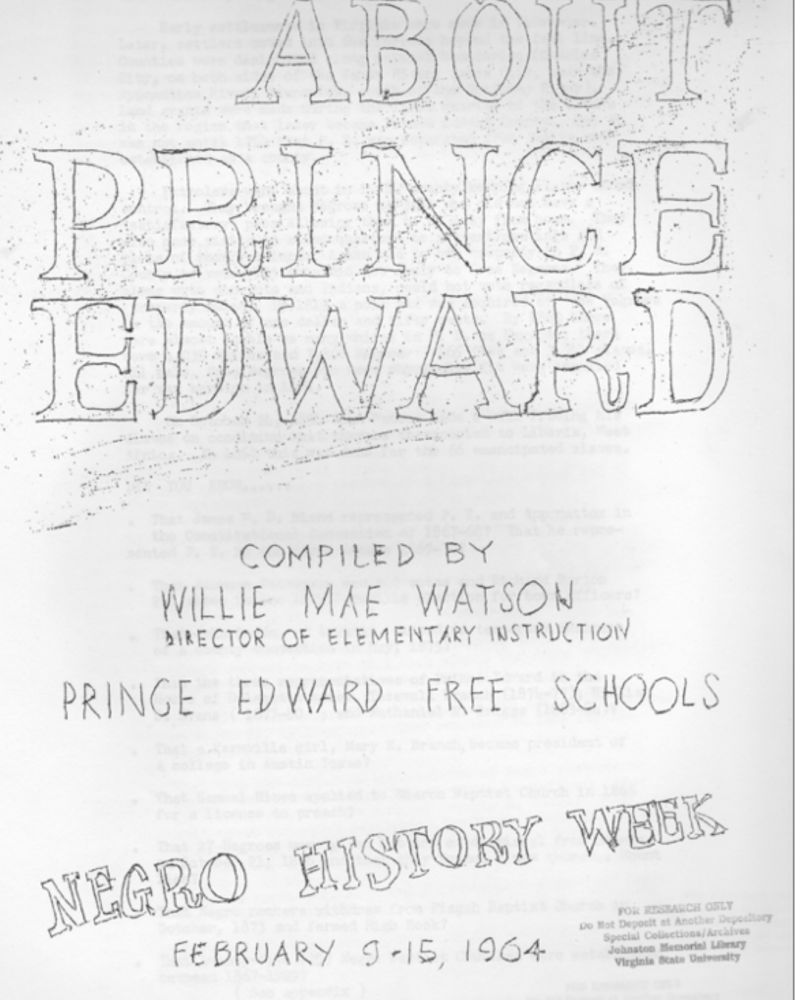
This month, I also reflected on the educators of the Prince Edward County Free School Association.
When Prince Edward County, Virginia, closed its public schools rather than comply with Brown v. Board of Education, Black students were locked out of formal education for five years. In 1963, in partnership with the Black community, civil rights leaders, members of the Kennedy administration, and committed educators, the Free School opened to ensure students could continue learning.
I’m especially inspired by Willie Mae Watson, Director of Elementary School Instruction. She developed a curriculum centered on students’ lived experiences and challenged assumptions about their potential. In language arts, she insisted students read and write about what mattered to them.
I learned about Watson and the students of the Free School while researching my first book. Their stories continue to shape my teaching.
Her lesson remains clear, and I think about it whenever I’m teaching and working on my writing: who we are, what we care about, and what we choose to write about matter.
Sam Gilliam: Art as Possibility
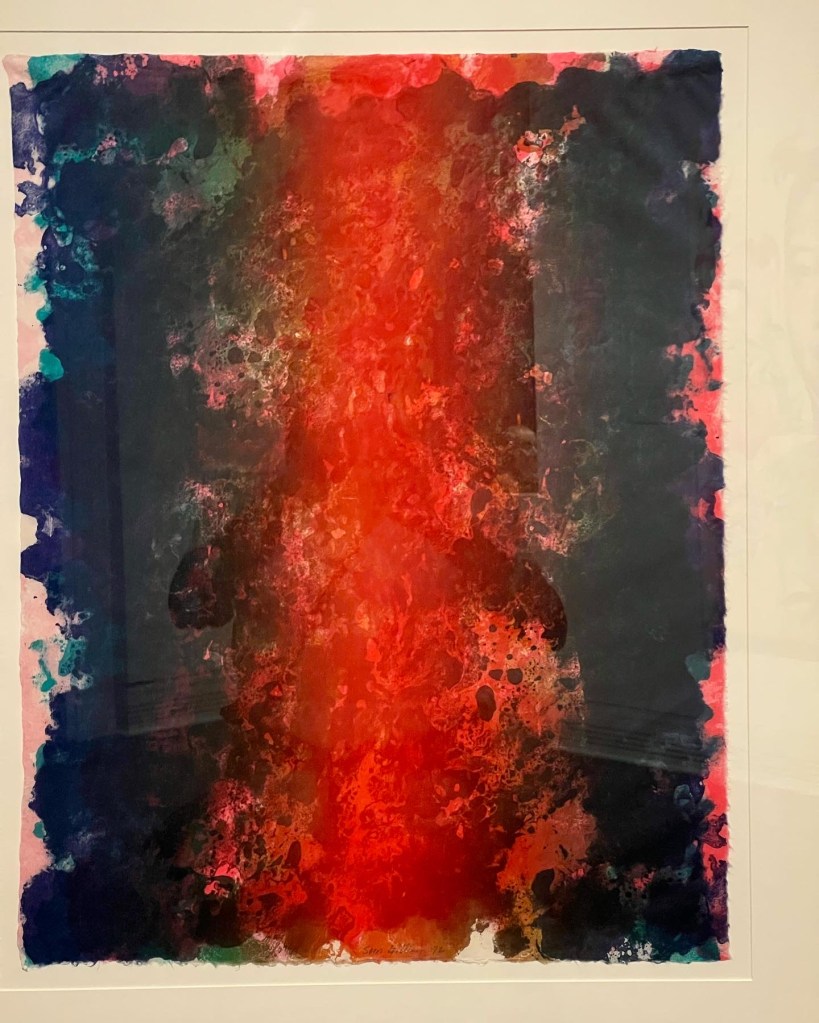
For my final reflection, I shared how I first learned about artist Sam Gilliam.
Shortly after returning to campus post-COVID, I began taking students to our campus museum to write about art as they worked through projects geared towards memoir writing. One afternoon, rushing to begin my long commute home, I paused in front of Gilliam’s 1972 lithograph Fire. Layers of red and blue moved across the paper like flames, hypnotic, shifting, quietly intense.
I snapped a photo that day I saw his work, wanting to return to it when I got home. Later, looking closely, I realized I could see my own reflection in it.
At a time when I felt burned out from caregiving, from the pressures of higher education, from the rush to return to “normal,” I quite literally saw myself in Fire.
I’d later learn how much Gilliam’s work challenged expectations. For me, it invites a particular kind of stillness. It stretches the boundaries of what feels possible.
That slowing down and the invitation (and willingness) to think again are gifts I carry with me.
A grandmother who taught me how to read.
A mother who wrote care into existence.
Teachers who insisted Black children deserved intellectual fullness.
An artist who reminds me to stand still long enough to see myself.
Their influences are not only nostalgic, they are active, each asking something of me:
To listen.
To teach.
To make room.
To imagine more than what is given.
And every day, I decide again to carry them forward.
 Full Circle Writing, LLC
Leave a comment